
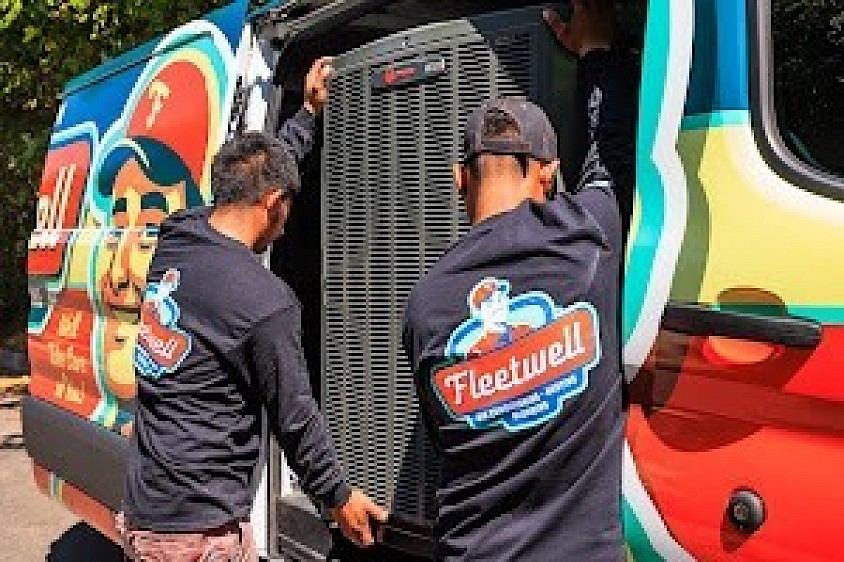
Fleetwell Air Conditioning, Heating, and Plumbing – Your Trusted HVAC Contractor in Tarzana, CA
When your home's comfort is on the line, you need a company you can trust. At Fleetwell Air Conditioning, Heating, and Plumbing, we proudly provide reliable HVAC and plumbing solutions for homeowners throughout Tarzana, CA and the surrounding Greater Los Angeles area. Since 2006, we have helped thousands of satisfied customers enjoy comfortable homes with dependable service, honest recommendations, and skilled workmanship.
Whether your air conditioner suddenly stops working during a hot summer day or your heating system needs attention before winter arrives, our experienced technicians are available 24 hours a day, 7 days a week. We understand that comfort problems don't wait, and neither should you.
🔧 Professional AC repair and Cooling Solutions
A reliable cooling system is essential in Southern California. If your air conditioner is making unusual noises, blowing warm air, leaking water, or refusing to turn on, our expert technicians are ready to help. We provide fast and dependable AC repair, air conditioning repair, and complete AC repair service for all major makes and models.
As a trusted AC repair company, we carefully inspect every system to identify the root cause of the problem instead of simply treating the symptoms. Our goal is to restore your comfort while helping your equipment perform efficiently for years to come.
🚨 Fast emergency AC repair When You Need It Most
Air conditioning problems often happen without warning. That's why Fleetwell offers prompt emergency AC repair services day and night. Whether it's the middle of the afternoon or late at night, our knowledgeable technicians arrive prepared to diagnose and repair your system quickly.
We know how stressful unexpected breakdowns can be, so we focus on delivering dependable solutions with clear communication and upfront recommendations.
🌬️ Expert ductless AC repair and Installation
Ductless systems provide excellent comfort and energy efficiency, but they also require specialized care. Our team is experienced in ductless AC repair, maintenance, and system diagnostics to keep your equipment running smoothly.
If you're considering upgrading your home's comfort, we also provide professional air conditioning installation services. We'll help you select an energy-efficient system that matches your home's size, comfort needs, and budget.
🏡 Complete HVAC repair Services
Your HVAC system works hard throughout the year, and regular service helps prevent expensive repairs. Fleetwell offers dependable HVAC repair, HVAC repair service, HVAC repair services, and complete HVAC system repair for residential customers in Tarzana, CA.
From thermostat issues and airflow problems to compressor failures and electrical faults, our certified technicians have the knowledge and equipment to handle virtually every HVAC challenge.
🔥 Reliable Heating and Cooling Experts
Home comfort isn't just about staying cool. We also specialize in heating and air conditioning repair, ensuring your family stays comfortable in every season. Whether your furnace needs repairs or your entire HVAC system requires maintenance, we'll provide honest recommendations and quality workmanship every step of the way.
👨🔧 Your Local HVAC contractor You Can Trust
Choosing the right HVAC contractor makes all the difference. At Fleetwell, every technician is licensed, insured, and continuously trained on the latest equipment and industry standards. Unlike many HVAC contractors, we prioritize customer education, helping you understand your options before any work begins.
Our commitment to professionalism, transparent pricing, and exceptional customer care has earned the trust of homeowners throughout Southern California.
⭐ Why Homeowners Choose Fleetwell
At Fleetwell Air Conditioning, Heating, and Plumbing, we believe every customer deserves prompt service, expert craftsmanship, and lasting solutions. That's why we offer flexible financing options, valuable maintenance memberships, discounts for military members and first responders, and friendly customer support available around the clock.
Whether you need routine maintenance, a new installation, or urgent repairs, our experienced team is committed to delivering quality results that protect your home's comfort and your investment.
If you're searching for dependable HVAC and plumbing professionals in Tarzana, CA, choose Fleetwell Air Conditioning, Heating, and Plumbing. Contact us today and discover why thousands of homeowners continue to trust our team for reliable service, honest advice, and outstanding customer satisfaction.
Fleetwell Air Conditioning, Heating, and Plumbing
18356 Oxnard St #3,
Tarzana, CA 91356
747-349-3377
🌐 FIND US ONLINE:
- Visit Our Website: https://www.fleetwellusa.com/hvac-services-in-tarzana/
- Find us on Google Maps: https://www.google.com/maps?cid=10788560469303323698
- Facebook: https://www.facebook.com/p/Fleetwell-Air-Conditioning-Heating-Plumbing-61550709943769/
- Yelp: https://www.yelp.com/biz/fleetwell-air-conditioning-heating-and-plumbing-tarzana
- Proven Expert: https://www.provenexpert.com/en-us/fleetwell-air-conditioning-heating-and-plumbing2/
- Manta: https://www.manta.com/c/m1x57mn/fleetwell-air-conditioning-heating-and-plumbing
- EventBrite: https://www.eventbrite.com/o/fleetwell-air-conditioning-heating-and-plumbing-120742959438
- MapQuest: https://www.mapquest.com/us/california/fleetwell-air-conditioning-heating-plumbing-536540350
- Waze (Driving Directions): https://www.waze.com/en/live-map/directions/us/ca/los-angeles/fleetwell-air-conditioning,-heating,-and-plumbing?place=ChIJJzc0UledwoARMmylKpaquJU
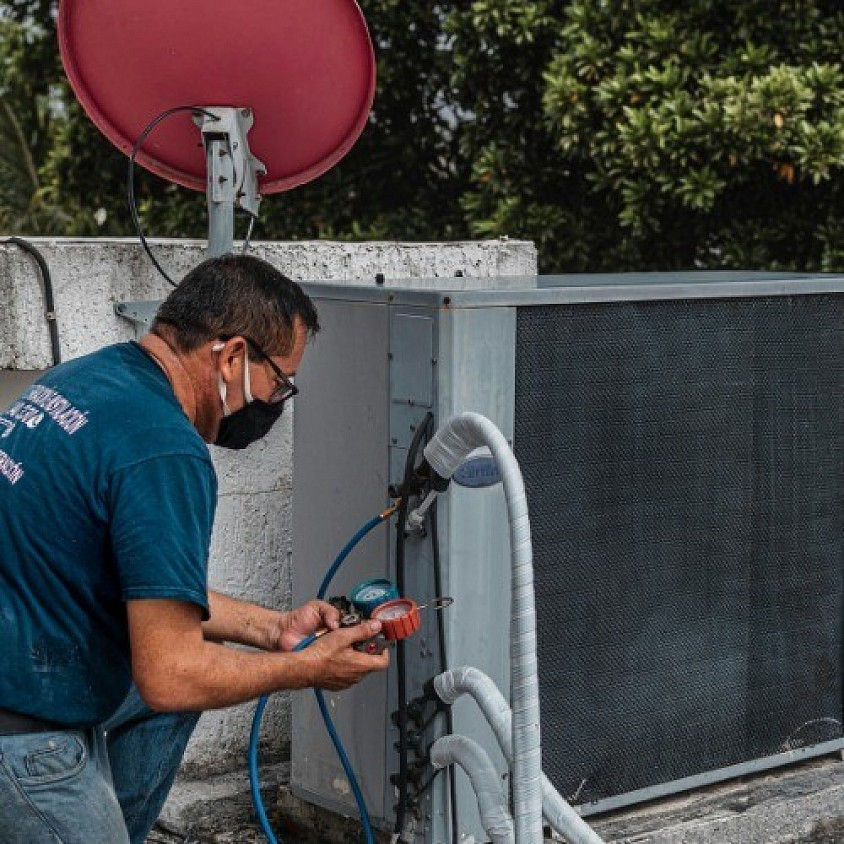
Staying Cool and Efficient: Practical HVAC Guidance for Tarzana Homeowners
Year-Round Comfort Strategies for the Valley’s Heat and Cool SwingsWhy Local Conditions Shape Your HVAC Choices
Tarzana’s warm seasons can place heavy demands on cooling equipment, while cooler winter nights still call for reliable heat. That combination makes system sizing, duct integrity, and diligent upkeep critical. When equipment strains to keep up, comfort slips and energy use rises. Smart planning—paired with routine care—keeps temperatures steady, indoor air cleaner, and monthly bills more predictable.
Recognizing Early Signs You Need Service
Small issues rarely stay small in HVAC systems. Weak airflow, longer run times, short cycling, unusual sounds, and inconsistent room temperatures signal trouble. Warm air from vents during cooling, or lukewarm air during heating, often points to failing components, airflow restrictions, or refrigerant and combustion concerns. Addressing concerns early prevents larger breakdowns and helps protect your investment, especially during peak demand.
Core Services That Protect Home Comfort
Reliable comfort depends on matching the right service to the right issue. AC Repair resolves performance dips, odd noises, or cooling failures, while AC Maintenance handles cleaning, testing, and adjustments that keep components running efficiently. When systems reach the end of their life or become cost-inefficient to fix, AC Replacement provides a reset with modern efficiency features. On the heating side, Heating Repair catches burner or ignition issues, drafts, and uneven warmth. Heating Maintenance tackles tune-ups that help ensure safety, efficiency, and steady output. If a heater is outdated or unreliable, Heating Replacement brings updated comfort and reliability. Whole-system solutions like HVAC Repair and HVAC Maintenance provide top-to-bottom care, while HVAC Replacement is considered when performance, reliability, and energy use call for a complete changeout. Supporting all of this is Air Duct Cleaning, which helps reduce dust, improve airflow, and cut strain on equipment.
Practical Steps to Maximize System Health
Homeowners can take meaningful steps to reduce surprises and keep comfort steady throughout the year. Use this checklist to guide your routine:
Change or clean filters routinely to protect airflow and indoor air quality.
Keep outdoor units clear of leaves, brush, and debris for proper ventilation.
Set thermostats thoughtfully, using small temperature shifts rather than big swings.
Seal visible duct gaps and consider professional testing if rooms feel uneven.
Schedule AC Maintenance before peak heat and Heating Maintenance before cool seasons.
Address odd sounds or odors promptly to prevent escalating repairs.
Evaluate older systems for HVAC Replacement if breakdowns are frequent and efficiency is lagging. These steps help systems run smoother, quieter, and more efficiently, while reducing the risk of mid-season breakdowns.
When Local Expertise Matters Most
When heat waves hit, response time and accurate diagnostics become essential. Providers familiar with neighborhood housing styles and load patterns can zero in on root causes quickly. For example, air conditioning repair tarzana often involves balancing attic duct conditions, airflow restrictions, and outdoor unit ventilation affected by landscaping and sunlight exposure. Timely AC Repair and HVAC Repair keep cooling reliable, while strategic AC Replacement or HVAC Replacement can solve chronic inefficiency. For colder nights, Heating Repair and, when needed, Heating Replacement make sure warmth is steady and safe. Layering in periodic Air Duct Cleaning helps maintain pressure balance and circulation throughout the home.
Closing Thoughts
A steady comfort plan blends seasonal tune-ups, quick responses to warning signs, and long-term decisions about upgrades when repairs no longer pay off. With consistent AC Maintenance and Heating Maintenance, plus attentive care for ducts and airflow, homeowners can navigate Tarzana’s climate confidently. Smart choices now build resilience for the hottest afternoons and the chilliest nights, keeping indoor spaces comfortable, healthy, and efficient all year.
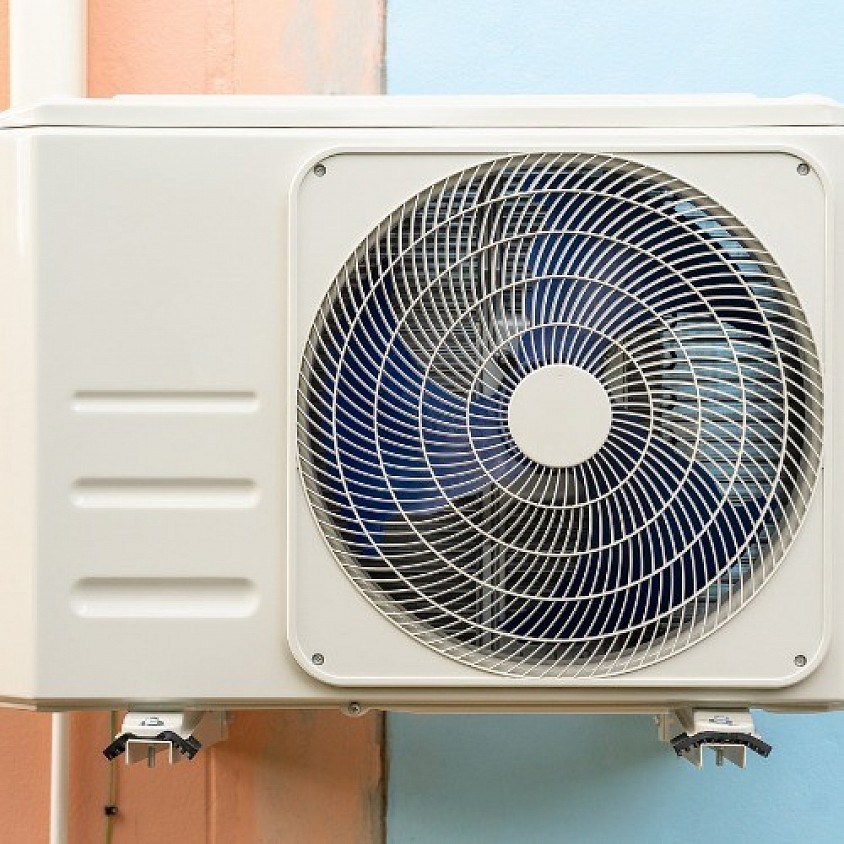
Keeping Cool and Efficient: What Homeowners Should Know About Modern HVAC Care
The State of Home Comfort Systems Today
Heating and cooling have evolved far beyond simple thermostats and window units. Today’s homes rely on efficient, integrated HVAC systems that balance comfort, air quality, and energy use. Homeowners are paying closer attention to seasonal maintenance, smart controls, and airflow management because they directly affect performance and longevity. When warm weather pushes systems harder, timely service—such as AC Repair and AC Maintenance—helps prevent surprise breakdowns and protects your investment.
Smart Choices for Aging Equipment
Every system reaches a point where frequent fixes add up. That’s when HVAC Replacement becomes a practical option. Replacing outdated units can improve reliability and reduce energy waste, but the decision should be guided by a thorough evaluation. A trusted technician can assess capacity, duct condition, and control compatibility to help you decide between continued HVAC Repair and full replacement. For older furnaces, Heating Replacement may resolve persistent comfort issues, strange noises, or uneven temperatures that repairs can’t fully correct.
Seasonal Maintenance Matters
Preventative care is the anchor of long-term performance. Regular HVAC Maintenance keeps critical components clean, calibrated, and ready for seasonal demands. For cooling, AC Maintenance includes checking refrigerant levels, inspecting electrical connections, and cleaning coils. On the heating side, Heating Maintenance focuses on burners, ignition systems, safety controls, and ventilation. Skipping routine service can lead to higher utility costs, poor airflow, and unnecessary wear—issues that often surface during the hottest or coldest days when you need comfort the most.
When Repairs Can’t Wait
Not every issue gives a polite warning. Compressors can strain, blower motors can fail, and thermostats can misread temperatures. When that happens, quick response and accurate diagnosis make all the difference. Timely AC Repair restores cooling, while targeted Heating Repair keeps your home warm without compromising safety. In many neighborhoods, residents rely on fast, local support for urgent needs like power surges, sensor failures, and blocked vents. For area homeowners, seeking help for issues like sudden airflow loss or warm air from vents often leads to specialists experienced in complex diagnostics and quick turnarounds, including teams that handle emergencies related to power fluctuations and outdoor unit failures. That’s where services such as ac repair tarzana stand out for prompt attention and familiarity with regional climate patterns.
Air Quality and Ductwork Essentials
Comfort isn’t just about temperature. Air Duct Cleaning can reduce dust, improve airflow, and support healthier indoor air. Leaky or clogged ducts make systems work harder, undermining even the most efficient equipment. Before committing to AC Replacement or other major upgrades, it’s smart to evaluate duct condition. Sometimes sealing or cleaning ducts unlocks better comfort and efficiency without a big-ticket change.
Practical Steps to Improve HVAC Performance
Schedule biannual checkups: One visit before summer and one before winter can catch small issues early and keep HVAC Maintenance on track.
Replace filters on time: A clean filter supports airflow, eases strain on the blower, and helps both AC Repair and Heating Repair last longer by minimizing dust buildup.
Keep outdoor units clear: Maintain at least a couple of feet of space around condensers to prevent overheating and improve heat exchange.
Use smart or programmable controls: Thoughtful scheduling helps balance comfort with energy use, reducing the need for emergency HVAC Repair.
Inspect ducts and vents: Obstructions and leaks waste conditioned air; pair routine Air Duct Cleaning with sealing when needed.
Address odd noises or smells promptly: Early diagnosis can prevent escalating problems that might otherwise push you toward premature HVAC Replacement.
Consider load-reducing upgrades: Shade, insulation, and weatherstripping ease system workload in both cooling and heating seasons.
Planning for the Long Term
Think in life cycles, not single seasons. Combine regular maintenance with occasional system audits to decide when repair, maintenance, or replacement makes the most sense. As your home’s needs change—renovations, added rooms, or new occupants—your HVAC strategy should adapt too. Whether the path forward involves targeted HVAC Repair, a full HVAC Replacement, focused Heating Maintenance, or an upgrade to controls and ductwork, a clear plan helps ensure dependable comfort, better air quality, and steady efficiency year-round.
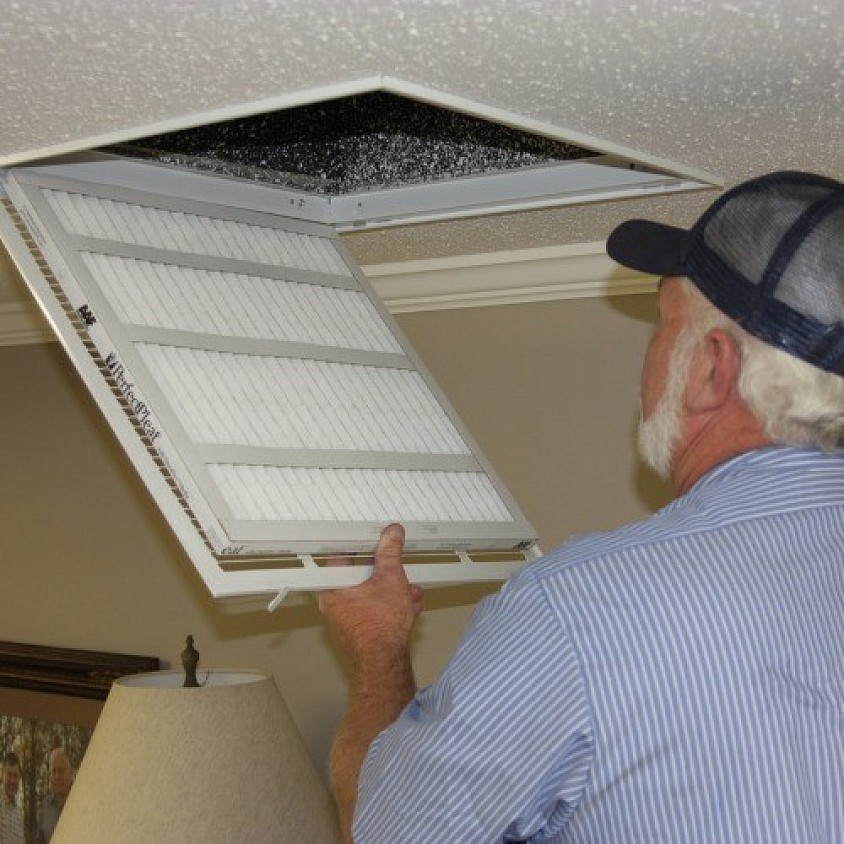
Smarter HVAC Decisions for Home Comfort in Warm Climates
Understanding System Efficiency and Sizing
Heating and cooling make up a large share of home energy use, so right-sizing equipment matters. An oversized air conditioner can short-cycle, leaving rooms clammy and pushing up utility bills, while an undersized system struggles on hot afternoons. Work with a licensed professional who performs load calculations, evaluates duct conditions, and matches equipment to your home’s envelope. Prioritize efficiency ratings that fit your climate and budget. When paired with tight ducts and proper airflow, a well-sized system delivers steadier temperatures and quieter operation.
Maintenance Habits That Pay Off
Routine care is the most reliable way to avoid surprise breakdowns and preserve warranty coverage. Seasonal HVAC Maintenance for both heating and cooling should include coil cleaning, refrigerant checks, thermostat calibration, and safety controls testing. Homeowners can help between visits by replacing filters on schedule, clearing debris around outdoor units, and keeping supply and return vents unblocked. These simple steps reduce strain on the blower, improve indoor air quality, and lengthen the service life of components.
Repair vs. Replacement: How to Decide
When your system is aging or underperforming, the choice between HVAC Repair and HVAC Replacement depends on condition, parts availability, and efficiency goals. Frequent service calls, rising energy bills, or major components nearing the end of their life may tip the balance toward AC Replacement or Heating Replacement. On the other hand, a targeted AC Repair or Heating Repair can be the right call when issues are minor and the system is otherwise sound. In some communities, the air conditioning repair tarzana Focus on quick diagnostics and code-compliant fixes helps homeowners stretch more seasons from existing equipment without sacrificing comfort.
Indoor Air Quality and Ductwork Essentials
Comfort isn’t just about temperature. Proper airflow and clean ducts keep your home healthier and your system efficient. Leaky or dirty ductwork forces equipment to run longer while stirring up dust. Consider Air Duct Cleaning to remove accumulated debris, and have a pro seal and balance ducts to even out room-to-room temperatures. Good filtration and adequate ventilation help reduce allergens and odors. Pairing IAQ upgrades with Heating Maintenance and AC Maintenance ensures the whole system works in sync.
Choosing a Reliable Service Partner
The right contractor brings clarity to complex choices and stands behind the work. Look for transparent diagnostics, clear estimates, and technicians trained across the full range of services, including HVAC Maintenance, AC Repair, AC Replacement, Heating Maintenance, and Heating Replacement. A dependable provider will explain options in plain language, prioritize safety, and schedule follow-ups to verify performance after installation or repair. Consistent, customer-centered care builds confidence and keeps your home ready for heat waves and cool snaps alike.
Quick Tips to Boost Comfort and Efficiency
Set thermostats to a steady, comfortable temperature and avoid frequent large swings.
Use ceiling fans to enhance comfort so your AC can run at slightly higher settings.
Shade west-facing windows to reduce late-day heat gain.
Keep furniture clear of vents to maintain balanced airflow.
Schedule pre-season checkups to catch small issues early.
With thoughtful planning, steady upkeep, and trustworthy guidance, you can extend the life of your equipment, improve indoor air quality, and enjoy year-round comfort without surprises.
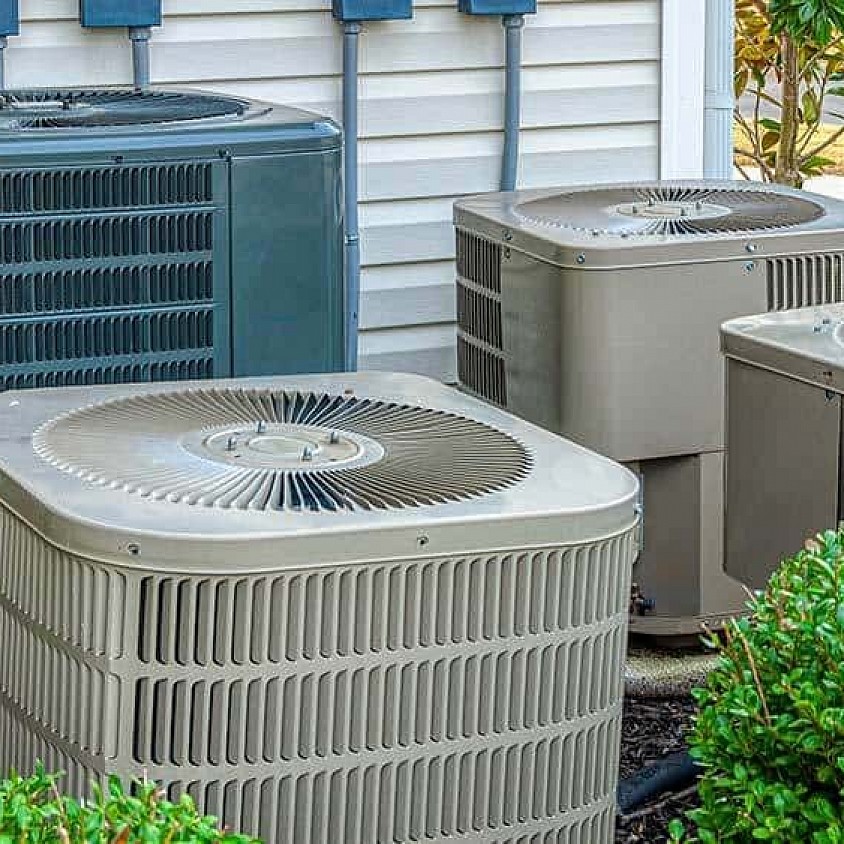
Staying Comfortable Year-Round: Practical Insights for HVAC REPAIR TARZANA
When cooling needs spike or a winter chill slips into the Valley, dependable heating and air solutions become essential for comfort and safety. In neighborhoods across Tarzana, older systems face heavy workloads, while newer installations still benefit from routine attention to keep performance steady. Understanding the most common triggers for breakdowns, how to extend equipment life, and when to schedule service can help homeowners navigate HVAC REPAIR TARZANA with less stress and better outcomes. The following points outline practical guidance tailored to local conditions and everyday realities in single-family homes, townhomes, and condos.
1. Prioritize seasonal system checkups
Changes in weather place different demands on your equipment. Before peak summer heat or cooler winter nights, a thorough inspection supports smoother operation. Technicians can identify worn components, check airflow, confirm thermostat accuracy, and review system start-up behavior. Preventive attention reduces the chances of a surprise outage on the hottest afternoon or during a chilly overnight.
2. Watch for airflow red flags
Uneven temperatures from room to room, weak vents, or persistent hot and cold spots often point to airflow restrictions. Common culprits include clogged filters, closed or obstructed registers, duct leaks, or debris in return grilles. Addressing airflow early not only improves comfort but can prevent strain on motors and compressors, a frequent driver behind urgent HVAC REPAIR TARZANA.
3. Replace filters on a reliable schedule
Filters do more than catch dust; they protect sensitive components from buildup that hampers efficiency. A dirty filter forces the blower to work harder and can cause icing on coils or overheating. Choose a filter type that aligns with your household’s needs and commit to a replacement interval based on use, pets, and indoor activities. Mark the date on your calendar or set phone reminders so it never slips.
4. Calibrate the thermostat and verify compatibility
A thermostat that drifts off calibration can lead to short cycling, extended run times, and inconsistent comfort. If you’ve upgraded to a smart model, confirm proper wiring, system compatibility, and correct settings for heat, cool, or auto modes. Even small adjustments—like setting gradual temperature changes—can reduce system stress, which translates to fewer urgent calls for HVAC REPAIR TARZANA.
5. Protect outdoor units from debris and heat traps
Condensing units need room to breathe. Shrubs, fences, or stacked storage items crowding the unit can trap heat and reduce efficiency. Keep at least a couple of feet of clearance around the cabinet, trim back vegetation, and gently rinse away dust and yard debris from the fins. Clear space promotes stable operating pressures and helps extend compressor life, especially during long summer cycles.
6. Pay attention to sounds and smells
New or worsening noises—rattles, buzzing, squeals, or grinding—often signal loose parts, motor wear, or airflow issues. Musty odors can point to moisture concerns, while burning smells may indicate electrical or mechanical trouble. Document when the symptom occurs, whether it’s during start-up, mid-cycle, or shutdown, and communicate those details. Clear descriptions help streamline HVAC REPAIR TARZANA and reduce diagnostic time.
7. Tackle ductwork and insulation gaps
Conditioned air is only as effective as the path it travels. Leaky ducts in attics or crawl spaces let cooled or heated air escape before it reaches living areas. Sealing accessible joints, repairing crushed runs, and evaluating insulation around ductwork can stabilize temperatures and reduce runtime. In many homes, these upgrades offer noticeable comfort improvements without touching the main equipment.
8. Manage indoor humidity and ventilation
Excess humidity can make summer temperatures feel warmer, while overly dry air in cooler months affects comfort. Bathroom and kitchen exhaust fans, balanced ventilation, and attention to window seals all influence how the system performs. Keeping indoor moisture within a reasonable range helps maintain coil efficiency and supports better air distribution.
9. Plan ahead for parts and access
If your equipment is older or space is tight, simple preparations help service go smoothly. Clear a path to the air handler, thermostat, and outdoor unit, and locate the electrical shutoff and breaker panel. For older models, having the make, model, and approximate installation date ready can speed up parts sourcing and shorten downtime during HVAC REPAIR TARZANA.
10. Consider lifecycle decisions with a long-view mindset
As systems age, recurring repairs and rising utility bills may indicate it’s time to evaluate broader options. Even if replacement isn’t immediate, discussing efficiency goals, space constraints, and comfort priorities helps shape a practical plan. Aligning short-term fixes with long-term expectations keeps your home comfortable and your budget predictable.
By staying proactive and attentive to early warning signs, homeowners in Tarzana can reduce surprises, protect equipment, and maintain steady comfort. A thoughtful approach to maintenance and timely action when issues arise can make a meaningful difference in the reliability and longevity of heating and cooling systems.
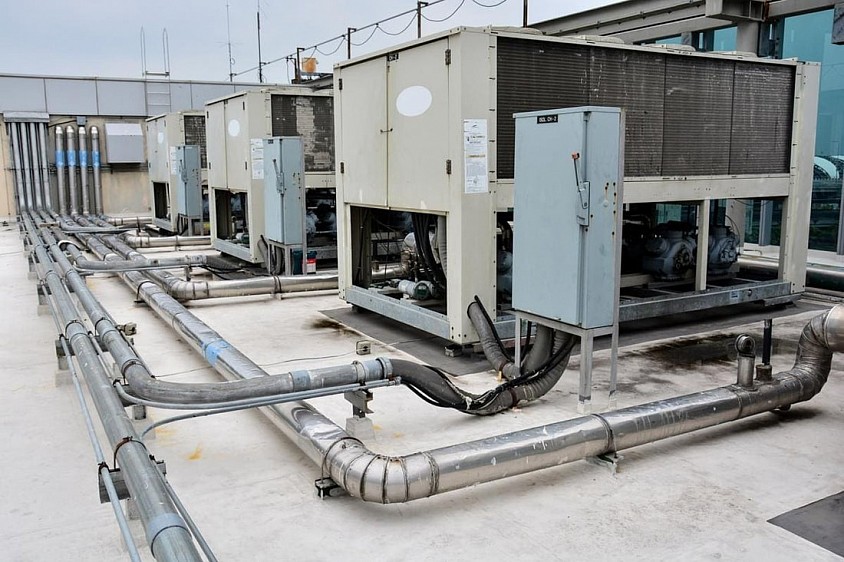
Staying Ahead of HVAC Issues in Tarzana’s Heat
1) Understand how local climate strains systems
Tarzana’s hot, dry summers and occasional smoky days can push air conditioners hard. Prolonged heat means longer run times, which increases wear on compressors, capacitors, and fan motors. Fine dust and outdoor debris can clog coils and filters, reducing airflow and forcing the system to work harder. Staying alert to humming changes, short cycling, or warm air at vents helps you catch concerns early and plan for timely service such as HVAC REPAIR TARZANA when needed.
2) Prioritize airflow with filter and vent care
Good airflow is the foundation of efficient cooling. Check filters frequently during peak season; a dirty filter chokes the return air path and can cause freezing at the evaporator coil. Keep supply and return vents open and unobstructed by rugs or furniture. If some rooms feel stuffy, compare vent output and confirm the dampers near the registers are open. Consistent airflow reduces strain on components and supports more stable indoor temperatures.
3) Keep outdoor units clean and clear
The condenser needs room to breathe. Trim plants back at least a couple of feet and remove leaves or trash that gather around the cabinet. Gently rinse the coil fins with a hose on a low setting to wash away dust; avoid bending the fins. If pets frequent the area, consider adding a small barrier that still allows ample airflow. A clean, unobstructed condenser improves heat rejection and can lower run times on hot afternoons.
4) Monitor thermostat placement and programming
A thermostat near a warm lamp, south-facing window, or kitchen can trigger unnecessary cooling cycles. Relocating it to an interior wall away from heat sources can stabilize readings. Use basic scheduling to ease the load during hours when the home is unoccupied, then cool back down before you return. Slight setpoint adjustments can reduce cycling and extend component life without sacrificing comfort.
5) Watch for warning signs that point to service
Unusual rattles, buzzing at startup, or a musty odor at vents can indicate loose panels, electrical issues, or moisture at the coil and drain pan. Ice on refrigerant lines, water near the air handler, or breakers that trip are other red flags. When problems stack up or persist after simple checks, scheduling HVAC REPAIR TARZANA helps prevent minor issues from growing into larger breakdowns during the hottest weeks.
6) Support indoor air quality during wildfire season
When smoke drifts into the Valley, consider higher-rated pleated filters that capture finer particles, and keep windows closed. If your system allows, run the fan mode for circulation to pass air through the filter more often. Check filters more often during smoky stretches. Maintaining cleaner indoor air can also keep coils from accumulating residue that restricts heat transfer.
7) Balance ducts and seal obvious leaks
Uneven temperatures may stem from duct imbalances or leaks that spill conditioned air into attics or crawl spaces. Inspect accessible duct runs for loose connections, missing tape, or crushed sections. Sealing visible gaps with appropriate materials can improve comfort and reduce runtime. When airflow remains inconsistent, a professional assessment can pinpoint design issues or restrictions that are not obvious.
8) Protect the system during heat waves
During extreme heat, lighten the load with shade on south- and west-facing windows and use ceiling fans to assist circulation. Avoid large internal heat gains from ovens or extended cooking during peak hours. These small steps keep the indoor temperature steadier, reducing compressor strain and helping the system maintain target setpoints more efficiently.
9) Plan seasonal checkups before peak demand
Tuning up the system ahead of summer can help identify weak capacitors, worn contactors, or airflow bottlenecks. Addressing minor wear before heavy use can head off surprise failures during heat spikes. Early attention also makes it easier to schedule convenient appointment times since demand typically rises with temperature.
10) Build a simple home log to track performance
Write down filter change dates, unusual noises, and any error codes on the thermostat. Note whether certain rooms trend warmer or cooler and how quickly the home cools after a setback. A brief log helps guide service conversations and speeds diagnostics, reducing guesswork and getting comfort back on track efficiently.
Keeping focus on airflow, cleanliness, and early signals of trouble goes a long way toward stable cooling in Tarzana’s climate. With consistent care and prompt attention when symptoms appear, your system can meet the heat with fewer interruptions and more dependable comfort throughout the season.
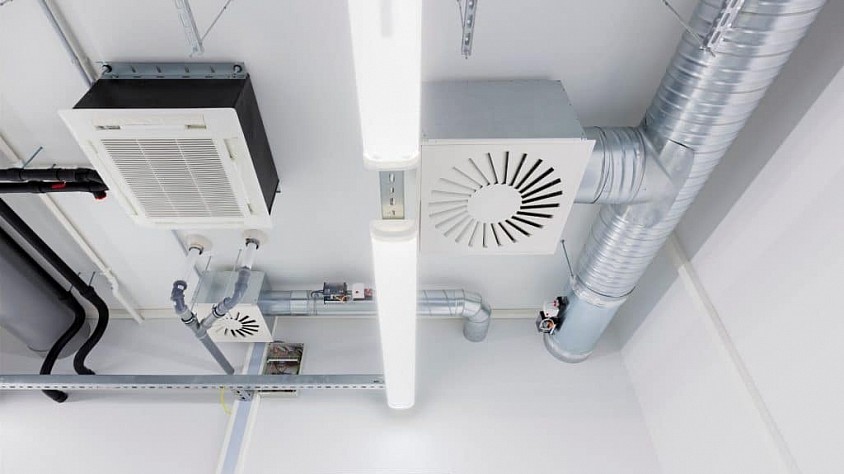
Planning for Peak Comfort: Insights for Air Conditioning Installation in Tarzana
Maintaining a cool, efficient, and comfortable home in the San Fernando Valley starts with thoughtful planning and precise execution. Local climate patterns, building characteristics, and evolving efficiency standards all play a role in the success of AIR CONDITIONING INSTALLATION TARZANA. The following guide outlines key considerations that help homeowners make informed decisions and set up a system designed for long-term performance.
1. Understand the local climate
Tarzana experiences warm summers and varied shoulder seasons, which means cooling systems often carry a heavy workload. Choosing equipment and settings that perform well in extended heat helps maintain comfort without undue strain on components. Systems designed to support efficient cooling cycles can reduce temperature swings and help maintain indoor stability through the hottest months.
2. Right-size the system for the home
Proper sizing is foundational. A unit that’s too large can short cycle, causing uneven temperatures and unnecessary wear. A unit that’s too small may struggle to maintain cooling during peak heat. Load calculations that consider square footage, insulation, window orientation, and occupancy help identify capacity that aligns with actual needs.
3. Evaluate ductwork health
Even the most advanced condenser and air handler will underperform if air can’t move efficiently. Duct inspections can identify leaks, insufficient insulation, or poor layout that restricts airflow. Sealing and optimizing ductwork supports consistent temperatures from room to room and helps the system operate within intended pressure and airflow ranges.
4. Prioritize ventilation and indoor air quality
For many homes, upgrades such as properly sized return air paths, filter cabinets with accessible media, and balanced ventilation can improve comfort significantly. Good filtration reduces particulate buildup that can impede airflow over time. Combined with scheduled filter changes, these measures promote cleaner indoor air and steady system performance.
5. Choose controls that match lifestyle
Modern thermostats and zoning solutions can fine-tune comfort while supporting energy-conscious operation. Smart controls allow scheduling, remote adjustments, and helpful insights into runtime patterns. Matching control features to household routines can curb unnecessary cooling during vacant hours and maintain consistent comfort when occupants are home.
6. Consider heat pump technology
In mild to warm climates, high-efficiency heat pumps can provide year-round temperature control with a single outdoor unit. When paired with a compatible air handler and proper refrigerant charge, heat pumps can deliver dependable cooling in summer and comfortable heating during cooler periods. Evaluating system type during AIR CONDITIONING INSTALLATION TARZANA can set the stage for balanced seasonal comfort.
7. Plan for sound and placement
Outdoor unit placement affects both performance and noise perception. Adequate clearance supports airflow and service access, while thoughtful siting reduces sound transmission to living spaces and neighbors. A stable, level pad and proper line-set routing help minimize vibration and ensure long-term reliability.
8. Focus on efficiency ratings that fit goals
Higher-efficiency equipment can reduce energy consumption, especially during prolonged heat. However, optimal value depends on usage patterns, duct conditions, and system controls. Pairing appropriate efficiency levels with a well-sealed envelope and balanced airflow often yields meaningful comfort improvements without compromising practicality.
9. Ensure proper commissioning
Thorough commissioning confirms that a system operates to manufacturer specifications. Verifying refrigerant levels, airflow, static pressure, temperature differentials, and control settings helps catch small issues before they evolve into larger problems. Accurate commissioning supports warranties and sets a new installation on the right path from day one.
10. Plan maintenance from the start
A maintenance schedule that includes coil cleaning, filter changes, drain line checks, and overall system inspections helps preserve performance. Early detection of developing concerns—such as airflow irregularities or thermostat miscommunication—can prevent discomfort during peak heat and extend equipment life.
Thoughtful planning, careful selection, and precise setup are the pillars of reliable cooling in Tarzana homes. By aligning system capacity with building needs, optimizing ductwork, choosing the right controls, and committing to thorough commissioning and maintenance, homeowners can establish dependable comfort and efficiency. When AIR CONDITIONING INSTALLATION TARZANA is approached as a whole-home strategy rather than a single equipment swap, the result is a balanced system ready to perform through the Valley’s demanding summers and comfortable shoulder seasons.
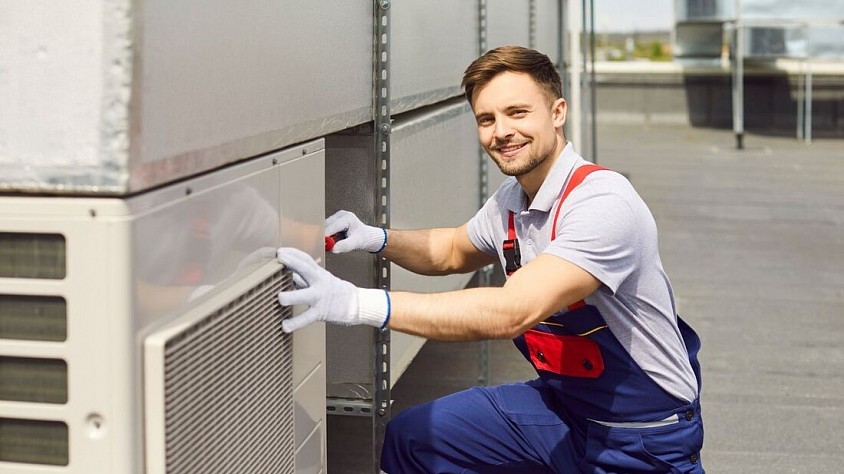
Smart Seasonal Strategies with an HVAC CONTRACTOR TARZANA
A comfortable home in Tarzana depends on planning ahead and understanding how seasonal shifts affect heating and cooling performance. Partnering with an HVAC CONTRACTOR TARZANA helps homeowners align equipment care with local climate patterns, anticipate wear, and keep indoor air consistent. The following points outline practical steps for year-round comfort, efficiency, and longevity.
1. Schedule pre-season tune-ups
Regular tune-ups before summer and winter reduce unexpected breakdowns and help systems run smoothly under peak demand. Calibrating thermostats, checking airflow, and verifying electrical connections support steady performance and can minimize strain on components when temperatures swing.
2. Match equipment to home needs
System sizing matters as much as brand or model. Undersized units struggle to reach set temperatures, while oversized units cycle too often, affecting comfort and indoor humidity. A load assessment that considers square footage, insulation, window orientation, and occupancy creates a better fit for energy use and everyday comfort.
3. Seal the envelope for steady temperatures
Duct leaks, uninsulated attics, and air gaps around doors and windows push systems to work harder. Sealing and insulating air pathways and the building shell improve system efficiency and reduce hot and cold spots. This step often complements equipment maintenance and supports quieter operation.
4. Optimize thermostat settings
A programmable or smart thermostat can align temperature schedules with daily routines. Gradual temperature changes, rather than drastic swings, help systems maintain comfort without stressing compressors or blowers. Thoughtful setback strategies while away from home can trim energy use without sacrificing a pleasant return temperature.
5. Improve airflow at the registers
Blocked vents disrupt circulation and can elevate static pressure in ducts. Keep furniture, rugs, and drapes away from supply and return registers, and ensure returns are dust-free. Good airflow helps condition rooms evenly and can reduce noise from whistling or rattling vents.
6. Replace or clean filters on time
Filters protect coils and fans from dust and debris. When clogged, they restrict airflow, lower system efficiency, and may contribute to poor indoor air quality. Set reminders to replace or clean filters at intervals recommended for the filter type and local conditions, such as pollen levels and pet dander.
7. Manage humidity for comfort
Comfort is not just about temperature; humidity also plays a major role. In summer, reducing excess moisture can help rooms feel cooler at slightly higher thermostat settings. In winter, balanced humidity can reduce dry air discomfort. Proper airflow, duct integrity, and coil maintenance all influence moisture control.
8. Listen for early warning sounds
Unusual noises—buzzing, grinding, or repeated short cycling—signal developing issues. Early attention can prevent larger problems and protect components like motors, capacitors, and compressors. Treat new sounds or smells as a prompt for a system check before heavy use periods arrive.
9. Keep outdoor units clear
Outdoor condensers and heat pump components need open space for heat exchange. Remove leaves, trim shrubs, and avoid storing items close to the unit. Gentle cleaning of fins using appropriate methods maintains airflow and improves performance during hot Tarzana afternoons.
10. Consider airflow balancing
Rooms at the end of long duct runs can be harder to condition. Balancing dampers, verifying duct sizing, and checking static pressure can help deliver even temperatures across multiple rooms and floors. A balanced system often operates more quietly and with fewer hot or cold spots.
11. Prioritize safety checks
Verifying safety controls, inspecting combustion components where applicable, and confirming proper ventilation protect both the system and household. Carbon monoxide alarms, adequate make-up air, and correct exhaust routing add an extra layer of precaution during heating season.
12. Document maintenance history
A simple log of filter changes, thermostat adjustments, and service visits creates a useful reference. Tracking observations—such as a room that runs hotter or cooler—can guide targeted improvements and help anticipate future needs before the next season arrives.
By aligning proactive maintenance, airflow management, and smart thermostat use with local climate realities, homeowners can enjoy steady comfort and dependable performance. A thoughtful seasonal plan with a trusted HVAC CONTRACTOR TARZANA supports reliable operation, helps contain energy use, and keeps indoor spaces welcoming all year.
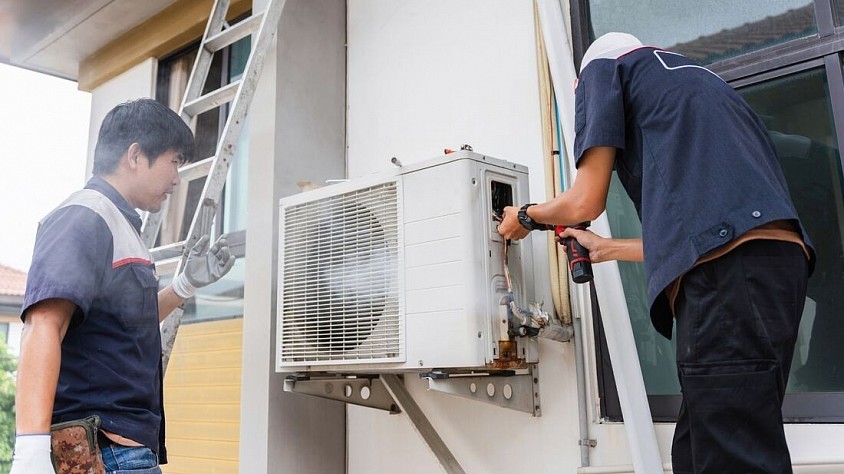
Reliable steps homeowners can take before scheduling air conditioning repair in Tarzana
1) Know the local climate’s impact on performance
Tarzana’s hot, dry summers push cooling systems hard, especially during late-afternoon peak heat. Long runtime can expose small issues like weak airflow, short cycling, or warm spots from inadequate return air. Before calling for [air conditioning repair tarzana], observe how your system behaves across a full day. Note the room temperatures, listen for unusual sounds at startup and shutdown, and check whether the thermostat reaches the set point without frequent adjustments. These details help a technician identify heat-related stress, airflow bottlenecks, or thermostat miscalibration more efficiently.
2) Start with a simple airflow check
Restricted airflow can mimic larger problems. Make sure interior supply vents are open and not blocked by furniture or drapes. Replace a clogged filter to protect the blower and coil surfaces from dust accumulation. If the filter is clean and airflow still feels weak, shine a flashlight into return grilles to spot visible debris. Document what you find so you can share it during a service call. Restoring airflow early can prevent frozen coils, extended runtimes, and uneven cooling.
3) Inspect outdoor clearance and coil condition
Outdoor condensers need clear space for proper heat exchange. Trim shrubs within a safe distance, remove leaves, and make sure yard tools or bins are not blocking the unit. Gently rinse dirt from the exterior fins with a low-pressure stream, keeping the spray parallel to the fins. Bent fins, heavy debris, or persistent fan noise point to deeper issues that may warrant [air conditioning repair tarzana]. Avoid opening panels or handling electrical components; a visual check is sufficient for homeowners.
4) Calibrate comfort with thermostat basics
Review thermostat settings to confirm the system is in cooling mode, the fan is set to auto, and the temperature is realistic for the day’s conditions. Consider gradual set-point changes to reduce strain. If you use a programmable or smart thermostat, update schedules to match current routines. Weak batteries, incorrect system configuration, or wiring faults can cause short cycling or no-cool situations. Clear notes on recent thermostat changes help streamline troubleshooting.
5) Track humidity and indoor air quality clues
Even in a dry climate, spills, cooking, and showers add moisture indoors. If your home feels clammy despite cool air, there may be coil temperature, airflow, or control issues. A basic hygrometer can offer a snapshot of indoor conditions. Persistent odors, dust buildup, and throat or eye irritation can also indicate dirty coils, ducts, or filters. Pairing comfort feedback with observed system behavior provides a fuller picture before a service visit.
6) Listen for acoustic warning signs
Sounds often reveal mechanical stress. Rattling can point to loose panels or fasteners. Grinding or screeching may indicate motor or belt problems. A loud buzzing at startup suggests electrical concerns. Clicking without fan or compressor activity can signal control board or relay issues. Record short audio clips on your phone to share with a technician and note the time of day and operating mode when the noise occurs.
7) Monitor energy use and runtime patterns
A steady rise in utility bills without changes in household habits suggests declining efficiency. Log runtime duration during similar weather conditions for a few days. Prolonged cycles, frequent on-off activity, or late-night surges can lead to compressor stress and comfort loss. These patterns help differentiate between airflow restrictions, refrigerant-side problems, or control irregularities that may require professional attention.
8) Create a seasonal maintenance routine
Consistent care reduces surprises during heat waves. Replace filters on a regular cadence, keep vegetation around the condenser trimmed, and test the thermostat before the first hot spell. After windy days, recheck outdoor clearance and wash away settled dust. When you notice persistent comfort issues, unusual noises, or visible icing, it’s time to consider [air conditioning repair tarzana] and share your notes to accelerate diagnostics.
9) Prioritize safety while observing
Turn off power at the disconnect or breaker before any close visual inspection outdoors. Do not open sealed panels, handle wiring, or adjust refrigerant lines. Limit DIY efforts to cleaning around the condenser, replacing filters, and updating thermostat schedules. Safe observation provides valuable information without risking damage to components or personal injury.
10) Communicate clear findings during a service call
Have a concise summary ready: symptoms, when they started, recent weather conditions, thermostat adjustments, filter changes, and any sounds or smells. Photos or short clips of issues can save time. Transparent communication helps ensure the right repairs are addressed first, supports accurate estimates, and promotes consistent comfort through the hottest days.
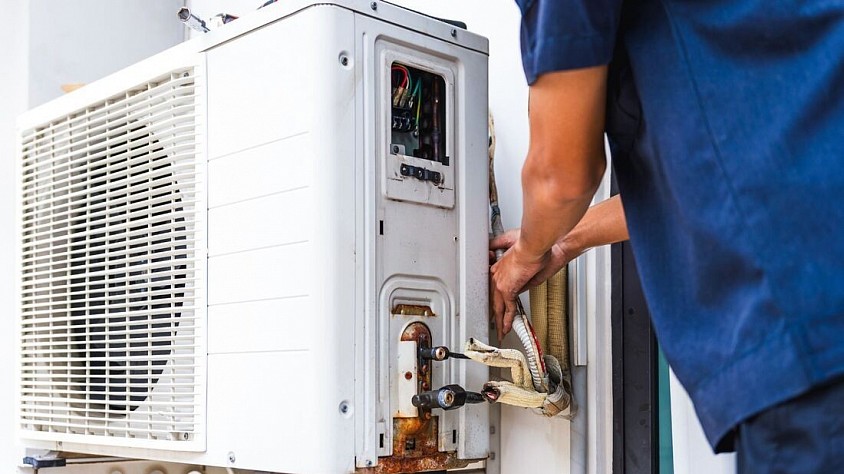
Smart Steps Homeowners Can Take Before and During AC Service Calls in Tarzana
1. Understand common signs your system needs attention
When the indoor temperature won’t match the thermostat setting, the air feels weak at the vents, or odd noises start up during operation, it’s time to pay close attention. Early indicators like short cycling, warm air from supply registers, or unexpected humidity swings often point to restricted airflow, low refrigerant, or control issues. Taking note of when the symptoms occur—only during the hottest hours, after long runtimes, or right at startup—gives a technician useful context. If a burning smell or electrical odor appears, shut the system down at the breaker for safety before taking the next step. In many Tarzana homes, these early clues help speed up diagnostics and reduce downtime.
2. Do a safe pre-visit check to rule out simple fixes
Before scheduling service, verify that the thermostat is set to cool and that the setpoint is below room temperature. Replace the air filter if it looks packed with dust. Make sure the outdoor unit has at least two feet of clearance on all sides; remove leaves or debris from the coil surface with a gentle rinse (power washing can damage fins). Confirm that supply and return vents are open and unblocked, and check your home’s electrical panel for a tripped breaker. These quick steps won’t resolve deeper issues, but they can remove common obstacles and help the system breathe while you arrange professional help.
3. Know when the fix calls for professional tools
Certain problems require gauges, meters, and licensed handling that go beyond homeowner maintenance. Ice forming on the refrigerant line, repeated breaker trips, and persistent short cycling often indicate issues with refrigerant charge, compressors, or controls. That’s the moment to schedule **ac repair tarzana** and provide a clear description of symptoms. Sharing model numbers, filter size, and the age of key components can help the technician arrive prepared with compatible parts, which often shortens the visit and reduces repeat trips.
4. Prepare the workspace for a smoother visit
Clear a path to the indoor air handler, furnace closet, or attic hatch, and ensure pets are secured. If your system is in the attic, move fragile items and provide a safe ladder if one is not built in. Outside, trim back shrubs near the condenser and unlock gates. Locate manuals or past service invoices if you have them; previous notes about capacitor replacements, blower motor repairs, or control board updates can guide testing. A well-prepared space allows more time for diagnostics and fine-tuning.
5. Ask targeted questions that lead to lasting results
A good service call is more than swapping parts. Ask about airflow measurements, static pressure readings, and temperature split at the coil to confirm system health beyond the immediate repair. Request coil condition photos, a review of thermostat calibration, and confirmation that safety switches function correctly. Inquire about duct condition and sealing opportunities, especially if some rooms run warmer than others. These questions build a roadmap for reliability, energy efficiency, and comfort over the long haul.
6. Pair repairs with proactive maintenance habits
A timely fix is the first step; preventing repeat issues is the next. Maintain a regular schedule for filter changes, keep the outdoor coil clean, and monitor your thermostat programming so the system isn’t overworked during peak heat. If your home has variable occupancy, consider a schedule that ramps temperatures gradually rather than large, sudden setpoint shifts. Periodic checks of condensate drains can prevent clogs that lead to water damage and nuisance shutdowns. Attention to these basics reduces wear and helps your AC handle Tarzana’s hot spells with fewer interruptions.
7. Recognize the value of documentation
After service, keep a simple log: date, findings, parts replaced, refrigerant type, and performance notes like supply and return temperatures. This running history reveals patterns, helps plan for future component replacements, and provides clarity if comfort concerns return. Should you need follow-up **ac repair tarzana**, detailed notes allow faster troubleshooting and more precise recommendations. Good records also support warranty claims when applicable and help you make informed decisions about repair versus replacement when the time comes.
8. Optimize comfort while protecting your system
During heat waves, use shades or reflective window films to limit solar gain, run ceiling fans to improve perceived cooling, and seal obvious air leaks around doors and windows. Small improvements lighten the AC load and can stabilize indoor temperatures while you arrange service. If the system struggles, avoid repeatedly toggling breakers or thermostat modes, which can stress components. Instead, set a reasonable temperature, allow steady operation, and let a trained technician address underlying causes.
Taking these steps turns a stressful outage into a manageable plan. With clear observations, basic safety checks, a prepared workspace, and thoughtful questions, homeowners can make every service visit count and keep cool, consistent comfort through the Tarzana summer.
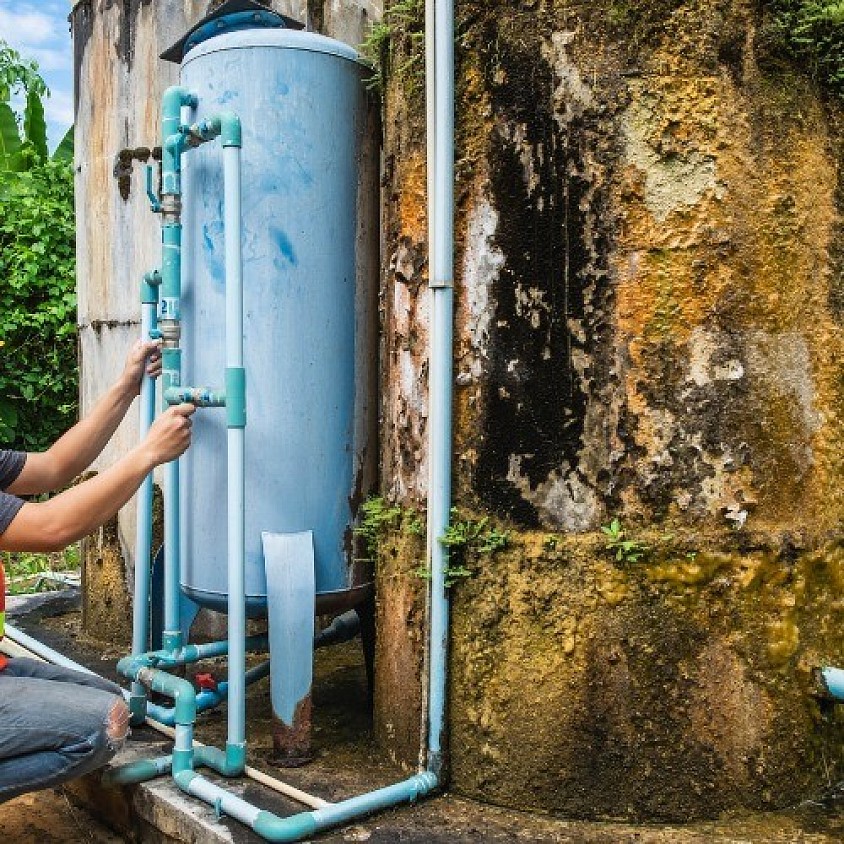
Smart HVAC Strategies for Tarzana Homes: Reliability, Efficiency, and Comfort
Keeping Comfort on Track in a Changing Climate
Hot summers and cool winter nights put steady pressure on heating and cooling systems in Southern California. Homeowners want dependable comfort, low energy use, and predictable upkeep. When equipment falters, quick attention keeps costs and downtime in check. That’s why many residents turn to hvac repair tarzana during peak seasons to resolve issues before they cascade into major breakdowns.
Understanding System Lifecycles
Every system has a natural lifecycle shaped by installation quality, daily runtime, maintenance frequency, and indoor air conditions. AC units and furnaces work hardest during temperature swings, and components like capacitors, blower motors, and ignition systems often reveal stress first. Proactive inspections help spot early wear, plan for HVAC Replacement before failures occur, and ensure safe, efficient performance throughout the year.
Seasonal Maintenance Matters
Regular HVAC Maintenance is the backbone of reliability. Routine filter changes, coil cleaning, refrigerant checks, and thermostat calibration protect efficiency and boost indoor comfort. For heating equipment, Heating Maintenance should include burner and heat exchanger inspections and safety control testing. For cooling, AC Maintenance should cover condensate drainage, airflow verification, and outdoor coil cleaning to keep head pressures in check and extend compressor life.
Smart Steps for Peak Performance
A well-tuned system saves energy and prevents surprise outages. The following checklist helps residents stay ahead of common problems:
1. Change filters routinely to maintain airflow and protect indoor coils.
2. Keep outdoor units clear of leaves, dust, and debris for proper heat transfer.
3. Seal and insulate ductwork; pair this with periodic Air Duct Cleaning for better airflow and indoor air quality.
4. Schedule Heating Repair or AC Repair at the first sign of odd noises, odors, or temperature swings.
5. Calibrate thermostats and consider smart controls for more consistent operation.
6. Inspect electrical connections and drain lines during seasonal tune-ups.
7. Discuss AC Replacement or Heating Replacement when repair frequency rises or comfort declines.
Repair Versus Replacement
Choosing between HVAC Repair and replacement depends on equipment condition, part availability, and comfort goals. If a unit still delivers stable temperatures with modest repairs, fixing it can be sensible. But when efficiency drops, comfort becomes uneven, or repair calls stack up, planning AC Replacement or Heating Replacement may offer better long-term value. Modern systems often pair strong efficiency with quieter operation, improved humidity control, and better compatibility with smart thermostats.
Indoor Air and Ductwork Essentials
Air quality and circulation directly affect comfort and system health. Dust-laden ducts restrict airflow, force longer run times, and strain components. Strategic Air Duct Cleaning can restore flow, reduce allergens, and support better system balance. In tandem, sealing leaks prevents conditioned air from escaping into attics or crawl spaces, boosting efficiency without altering the core equipment.
Emergency Readiness and Local Support
No one plans for a sudden outage, but preparation shortens the path back to comfort. Keep a record of equipment models, filter sizes, maintenance dates, and known quirks. When issues surface, prompt HVAC Repair reduces the risk of collateral damage, like compressor failures or cracked heat exchangers. Strong local support also means faster response times during temperature extremes, when service demand rises quickly.
Final Thoughts on Year-Round Comfort
Comfort is a result of consistent care, informed decisions, and timely action. With diligent upkeep, clear benchmarks for repair or replacement, and attention to airflow and air quality, homeowners can keep systems dependable and efficient. A thoughtful plan that includes seasonal tune-ups, swift Heating Repair or AC Repair when needed, and strategic upgrades sets the foundation for dependable comfort across every season.
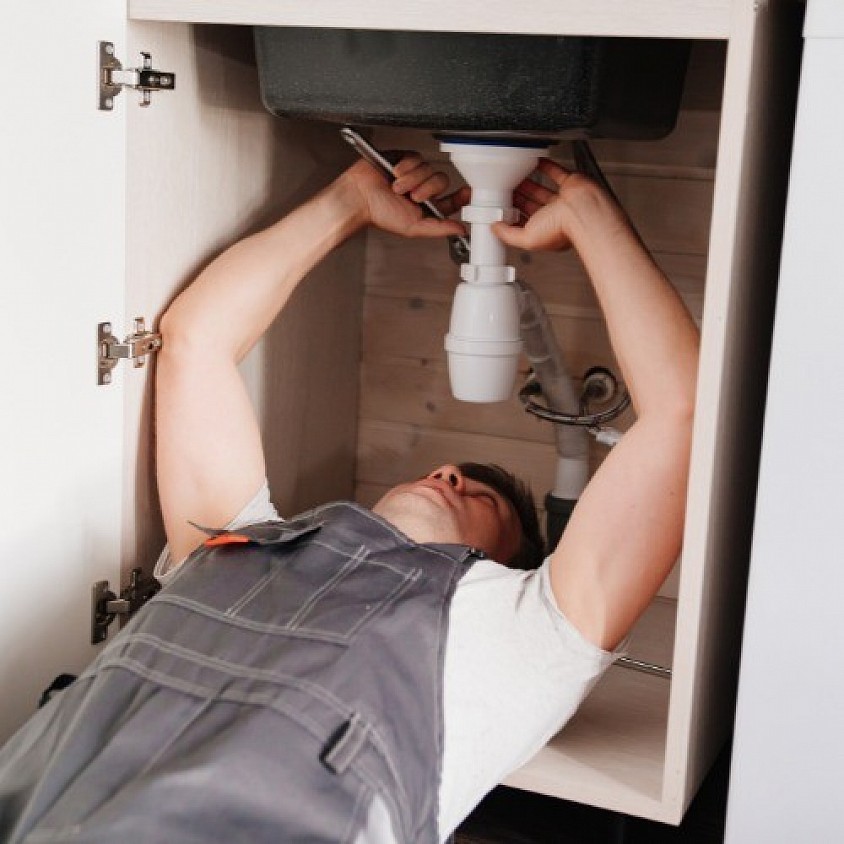
Clear HVAC Strategies for Comfort and Efficiency in Tarzana Homes
HVAC Trends and Best Practices for Reliable Home Comfort
Understanding System Lifecycles and When to Upgrade
Modern households lean on heating and cooling systems year-round, so recognizing when equipment is nearing the end of its useful life is crucial. Frequent breakdowns, uneven temperatures, or rising utility bills can all point to the need for HVAC Replacement or AC Replacement. Likewise, long-standing furnaces that struggle to keep up may signal the time for Heating Replacement. Pairing a new system with professional AC Maintenance and HVAC Maintenance helps protect the investment and ensures a smoother, more efficient start to each season.
Seasonal Maintenance That Pays Off
Routine care is the backbone of performance. Proactive HVAC Maintenance catches small issues before they turn into comfort-stealing problems, while Heating Maintenance ensures safe, steady warmth when cooler nights arrive. On the cooling side, AC Maintenance supports efficiency and reduces the likelihood of mid-heat-wave interruptions. Keeping filters clean, confirming proper refrigerant levels, and assessing electrical components all contribute to dependable operation. When problems do arise, timely HVAC Repair, Heating Repair, or AC Repair restores comfort while preventing cascading wear on other parts.
What to Expect During an Installation or Replacement
Knowing what a professional crew will do eases stress for homeowners planning a system upgrade or air conditioning installation tarzana. The process focuses on correct sizing, safe setup, and code-compliant workmanship that supports long-term reliability. It typically includes:
1. Home assessment to determine load needs, room airflow, and duct conditions.
2. Selection of appropriately sized equipment based on space, insulation, and layout.
3. Careful removal of old units with attention to safety and disposal guidelines.
4. Precise placement of new components to maintain airflow and service access.
5. Refrigerant charging and electrical connections set to manufacturer specifications.
6. Thermostat setup and system calibration for consistent comfort.
7. Final performance testing and homeowner orientation on maintenance basics.
For those not ready to replace, AC Repair or targeted HVAC Repair can extend system life and performance when carried out by trained technicians.
Indoor Air Quality and Ductwork Matters
Comfort isn’t just temperature; it’s also clean, balanced air. Dust, pet dander, or lingering odors can build up in ducts and reduce indoor air quality while choking airflow. Professional Air Duct Cleaning clears debris that can strain the blower, helping conditioned air move freely to every room. After duct cleaning, small adjustments—like sealing visible leaks or improving return airflow—often boost overall system effectiveness. When combined with routine filter changes and proper ventilation, these steps support a healthier home environment and consistent system operation.
Signs You Need Professional Repair
It can be tempting to wait when minor issues appear, but swift attention prevents larger headaches. Unusual noises, short cycling, or hot and cold spots deserve a prompt look. Lukewarm air from the vents in summer or weak heat output in winter could signal that AC Repair or Heating Repair is due. Spiking energy use without a clear cause may point to airflow blockages or worn parts that require HVAC Repair. Calling in a professional for diagnostic testing ensures the right fix and preserves equipment life.
A Smart Path Forward
Home comfort thrives on thoughtful planning, from regular tune-ups to timely upgrades. Combining diligent AC Maintenance and Heating Maintenance with informed decisions about AC Replacement or Heating Replacement keeps systems efficient and dependable. When the moment is right for new equipment, choosing expert guidance and careful installation practices sets the stage for long-term comfort, better airflow, and peace of mind through every season.